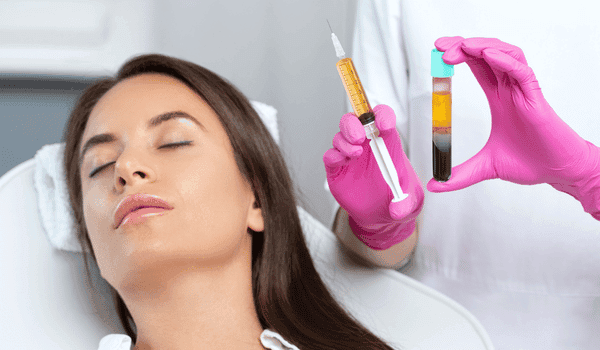
Acne may be temporary, but the scars it leaves behind can persist for years. From shallow depressions to deep ice-pick scars, acne-related skin damage often proves difficult to treat with topical products alone. As regenerative aesthetic medicine continues to evolve, one treatment has attracted growing attention for its ability to promote skin healing from within: PDRN (Polydeoxyribonucleotide).
Originally developed for wound healing and tissue regeneration, PDRN has become increasingly popular in cosmetic dermatology for skin rejuvenation, hydration, and repair. It is now frequently incorporated into injectable skin boosters and mesotherapy protocols designed to improve overall skin quality.
But does PDRN actually work for acne scars?
The answer is promising. While PDRN is not a magic solution that instantly erases scars, it may significantly improve their appearance by stimulating natural healing processes, encouraging collagen production, and enhancing skin remodeling. When combined with other aesthetic procedures, it can also contribute to better treatment outcomes and faster recovery.
In this article, we'll explore how PDRN works, the science behind its regenerative effects, its role in acne scar management, and what patients can realistically expect.
Understanding Acne Scars
Acne scars develop when inflammation damages the deeper layers of the skin. During healing, the body may produce either too little or too much collagen, resulting in permanent changes to skin texture.
The most common atrophic acne scars include:
Ice pick scars: Narrow, deep indentations extending into the dermis.
Boxcar scars: Broad depressions with defined edges.
Rolling scars: Wave-like irregularities caused by fibrous bands beneath the skin
Hypertrophic scars: Keloid-like scars that are thick, raised, and firm occurring when the body produces excess collagen during the wound-healing process

These scars often occur after severe inflammatory acne but may also develop from repeated picking or delayed treatment. Because collagen loss plays a central role in many acne scars, therapies that encourage collagen regeneration are particularly valuable.
What Is PDRN?
PDRN stands for Polydeoxyribonucleotide, a compound composed of DNA fragments that support tissue repair and cellular regeneration. In aesthetic medicine, pharmaceutical-grade PDRN is commonly purified from salmon-derived DNA through rigorous manufacturing processes designed to ensure safety and compatibility.
Unlike traditional dermal fillers that mechanically add volume, PDRN works by activating the body's own regenerative pathways. It supports fibroblast activity, promotes angiogenesis (formation of new blood vessels), and encourages collagen synthesis, helping damaged skin repair itself over time.
This regenerative approach has led to its use in:
Skin rejuvenation
Fine line reduction
Improved elasticity
Wound healing support
Post-procedure recovery
Acne scar management
How PDRN Helps Improve Acne Scars
Stimulates Collagen Production

One of the primary reasons acne scars become visible is collagen deficiency in damaged areas. PDRN activates fibroblasts—the cells responsible for producing collagen and extracellular matrix components. As new collagen forms, depressed scars may gradually become shallower and skin texture smoother. Rather than filling scars artificially, PDRN encourages natural rebuilding of the skin's support structure.
Supports Tissue Regeneration and Accelerates Wound Healing

PDRN promotes repair at the cellular level by supplying nucleotides that damaged tissues can utilize during healing. This regenerative environment helps replace injured tissue with healthier skin while improving overall skin integrity.
Improves Blood Supply

Healthy healing depends on adequate circulation. Research suggests that PDRN promotes angiogenesis, increasing microvascular blood flow and oxygen delivery to treated tissues. Better circulation supports nutrient transport and efficient skin remodeling.

Reduces Chronic Inflammation
Persistent low-grade inflammation can interfere with optimal scar remodeling. PDRN has demonstrated anti-inflammatory effects that may help create a more favorable environment for healing while minimizing prolonged tissue damage.
Enhances Skin Quality Beyond Scar Depth

Many patients notice improvements that extend beyond scar reduction, including:
Better hydration
Increased elasticity
Smaller-looking pores
More even skin tone
Brighter complexion
Healthier overall skin texture
As a result, the face often appears rejuvenated even if scars are not completely eliminated. Learn more here about how PDRN works on acne scars.
What Does the Research Say?
Clinical studies investigating PDRN continue to expand, particularly in regenerative medicine and dermatology. A case report on how PDRN improves hypertrophic scars has been extensively reviewed and found to have satisfactory results, especially when scars are treated with a combination of oral and plant-extract-based and hyaluronic acid topical creams.
Current evidence suggests that PDRN can help do the following:
Accelerate tissue repair
Stimulate fibroblast proliferation
Increase collagen synthesis
Improve and accelerate wound healing
Support recovery after laser procedures
Enhance skin elasticity and hydration
Although research specifically targeting acne scars is still developing, early findings and clinical experience indicate that regenerative effects may contribute to visible improvements in scar appearance, particularly when treatments are performed as a series. Many practitioners view PDRN not as a standalone scar eraser but as a biological enhancer that improves skin quality and supports collagen remodeling.
Is PDRN Better Than Traditional Scar Treatments?

Each acne scar treatment works differently. The table shows the vast difference between PDRN and other aesthetic treatments that are used to treat acne scars.

PDRN distinguishes itself by promoting healing rather than mechanically filling or removing damaged tissue. For this reason, many dermatologists combine PDRN with procedures like microneedling, lasers, or subcision to optimize outcomes.
Treatment Guide on How to Use PDRN for Acne Scars
Who Is an Ideal Candidate?

PDRN may be suitable for adults experiencing:
Mild to moderate atrophic acne scars
Early collagen loss
Uneven skin texture
Dull or dehydrated skin
Post-acne skin damage
Patients seeking minimally invasive rejuvenation
It can often be incorporated into broader treatment plans targeting both scars and overall skin health. However, deep ice-pick scars or extensive fibrotic scarring may not respond adequately to PDRN alone. Patients with severe acne scarring may benefit more from comprehensive treatment plans involving:
Fractional laser resurfacing
Punch excision
Subcision
Radiofrequency microneedling
TCA CROSS techniques
Combination therapies incorporating regenerative injectables
A consultation with a qualified aesthetic practitioner can determine the most appropriate approach.
How Many Sessions Are Needed?
Results vary depending on scar severity, age, skin type, and treatment protocol. Most practitioners recommend the following:
Initial series: 3–5 sessions
Interval: Approximately every 2–4 weeks
Maintenance: Every few months, as advised by the treating professional
Collagen remodeling is gradual, so improvements often continue for several months after treatment is completed. Patients should understand that severe scars may require combination therapy and multiple treatment modalities.
When Will Results Be Visible?
Some individuals report brighter, more hydrated skin within days or weeks after treatment. However, scar improvement generally develops more slowly because collagen production takes time. It is important to note that patience and consistency are key for regenerative therapies. A typical timeline of when the results will manifest after PDRN treatment is as follows:

Safety and Side Effects
When administered by trained professionals using quality products, PDRN treatments are generally well tolerated. Temporary side effects may include mild redness, swelling, bruising, tenderness, and small injection marks. These reactions typically resolve within several days. Patients should follow post-treatment instructions carefully, including sun protection and avoiding unnecessary skin irritation during recovery.
Tips to Maximize Results
To achieve the best possible improvement from PDRN therapy:
Complete the recommended treatment series.
Maintain a consistent skincare routine.
Wear sunscreen daily.
Avoid picking active acne lesions.
Stay hydrated.
Address ongoing acne to prevent new scars.
Combine PDRN with complementary treatments when clinically appropriate.
Healthy lifestyle habits, including adequate sleep and balanced nutrition, may also support skin regeneration.

Additionally, one increasingly popular approach involves delivering PDRN after microneedling. Microneedling creates controlled microchannels in the skin that stimulate collagen production. Applying or injecting PDRN during or after treatment may further support tissue repair and accelerate recovery. Potential benefits include enhanced collagen remodeling, reduced downtime, improved skin hydration, faster healing, better texture refinement, and more comprehensive rejuvenation. This combination is particularly attractive for patients seeking gradual, natural-looking improvements.
PDRN: The Innovative Solution to Acne Scar Treatment

So, does PDRN work for acne scars?
Current evidence and clinical experience suggest that PDRN can be a valuable tool for improving acne-scarred skin by stimulating collagen production, supporting tissue regeneration, and enhancing overall skin quality. While it may not erase deep scars completely, it offers a biologically driven approach that helps the skin repair itself over time.
For many patients, the greatest benefits come when PDRN is used as part of a personalized treatment plan that may include microneedling, laser therapy, or other collagen-stimulating procedures. The result is often a smoother texture, healthier skin, and a gradual reduction in the appearance of acne scars with a natural-looking finish.
Frequently Asked Questions
Can PDRN completely remove acne scars?
No. PDRN is more accurately described as a regenerative treatment that improves skin quality and may reduce the visibility of scars rather than eliminate them entirely.
Is PDRN painful?
Most patients experience minimal discomfort. Topical anesthetics or fine needles can make the procedure more comfortable.
Can PDRN help active acne?
PDRN is primarily used for tissue repair and rejuvenation rather than treating active acne itself. Individuals with ongoing inflammatory acne should seek appropriate acne management before focusing on scar revision.
Is there downtime?
Downtime is generally minimal. Mild redness or swelling usually subsides within a few days, allowing most patients to resume normal activities quickly.
Can it be combined with lasers or microneedling?
Yes. Many clinicians incorporate PDRN into combination treatment protocols to support healing and potentially enhance collagen remodeling following energy-based or minimally invasive procedures.
Disclaimer: This article is for educational purposes only and should not be considered medical advice. Individuals interested in PDRN treatments should consult a qualified healthcare professional or licensed aesthetic practitioner to determine the most appropriate treatment plan for their specific skin concerns.