PDRN Injection
Skin regeneration from within.
Explore leading PDRN and PN skin boosters — with guides on how they work, what to expect, and which products suit your skin concerns.
What is PDRN?
Regeneration at the cellular level
PDRN stands for Polydeoxyribonucleotide — a regenerative compound derived from salmon DNA. Clinics use it as an injectable skin booster to stimulate tissue repair, reduce inflammation, and improve skin quality from the inside out.
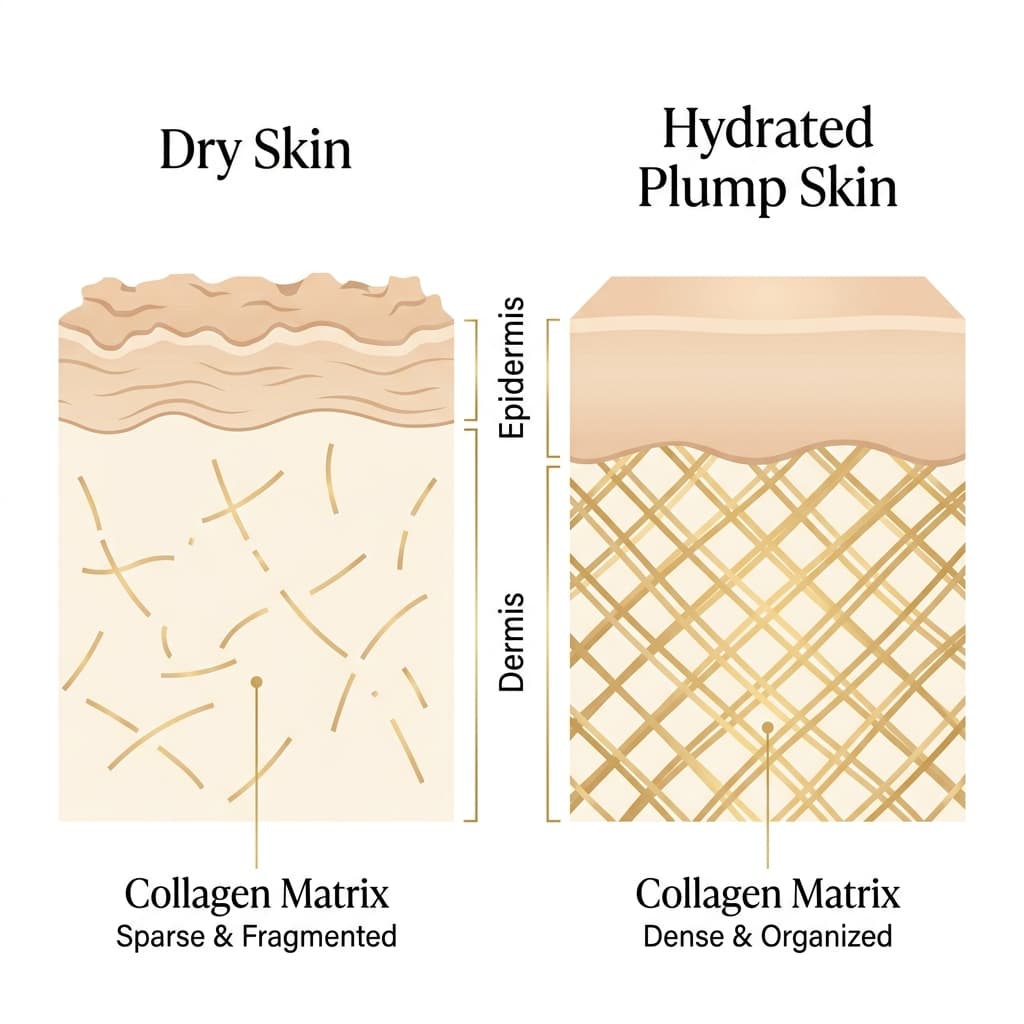
Unlike topical skincare, PDRN works at the cellular level. It activates adenosine A2A receptors, which accelerates collagen synthesis and promotes healing. The results are gradual and cumulative — most people see meaningful improvement after a course of three to four sessions.
What PDRN Treats
Treatment Areas


Why PDRN?
Why clinicians choose PDRN skin boosters
PDRN and PN skin boosters occupy a specific niche in aesthetic medicine: they do the repair work that surface treatments cannot. Lasers, peels, and topicals address the skin from the outside. PDRN injections work in the dermis — where collagen is produced and where long-term skin quality is decided.
Works in the dermis
Where long-term skin quality is decided
No volumisation
Repair-focused — not a filler replacement
Established safety
Extensively documented in clinical literature
Combinable
Works alongside lasers, peels, and fillers
How PDRN Works
Injection into dermis
Precise microinjections deliver PDRN directly to the dermal layer where collagen is produced.
Binds to adenosine receptors
PDRN activates adenosine A2A receptors, triggering the body's own repair cascade.

Collagen synthesis activates
Fibroblast activity increases, producing fresh collagen and restoring skin structure.

Skin quality improves
Over 4–8 weeks, texture, hydration, and elasticity measurably improve.
Key Difference
PDRN vs PN — what's the difference?
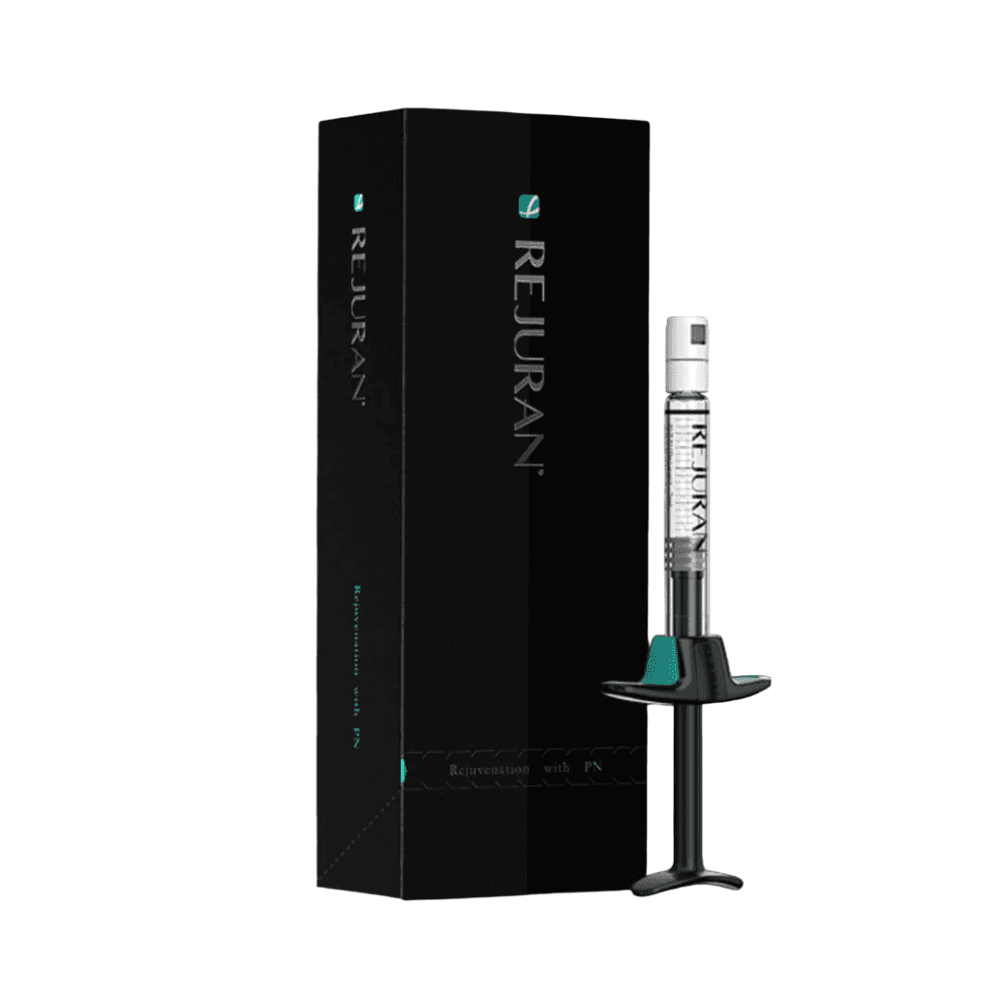
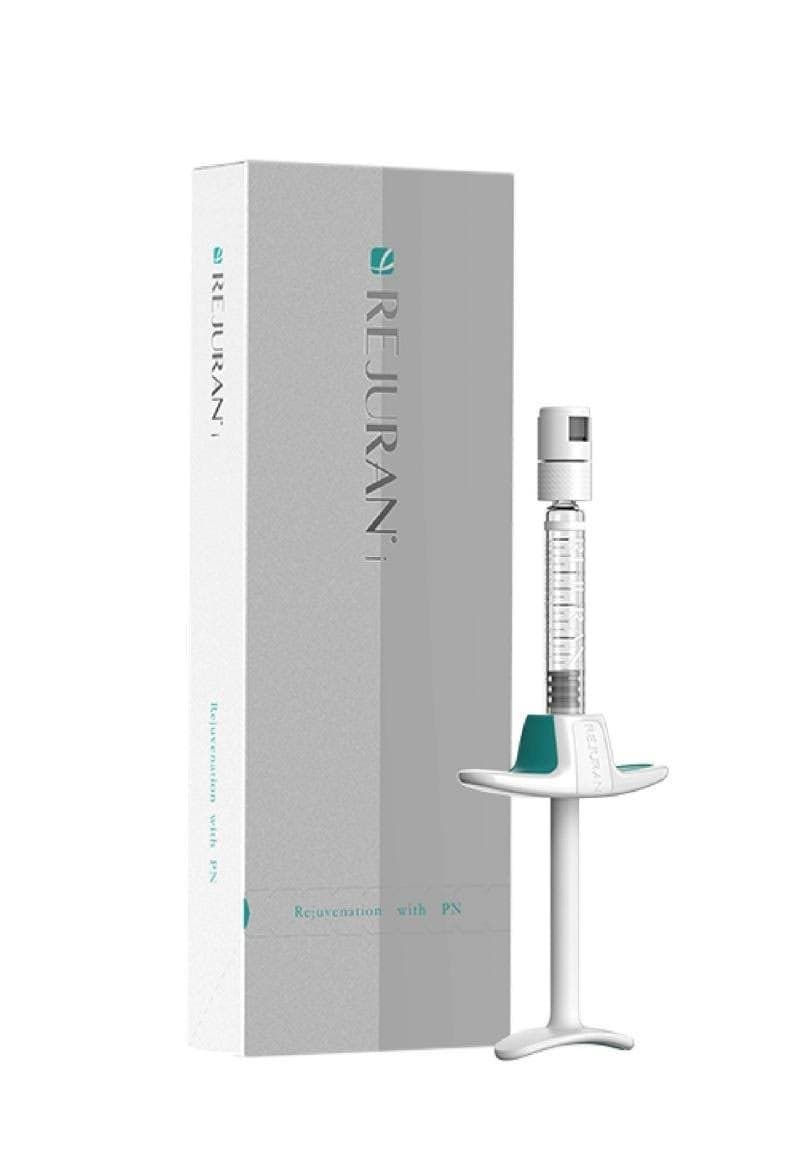
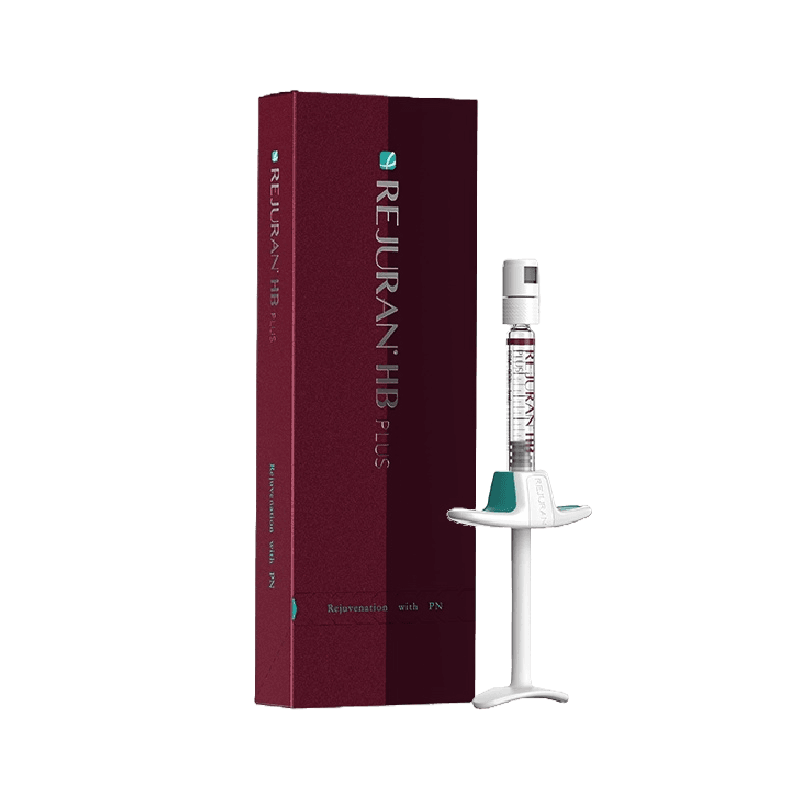
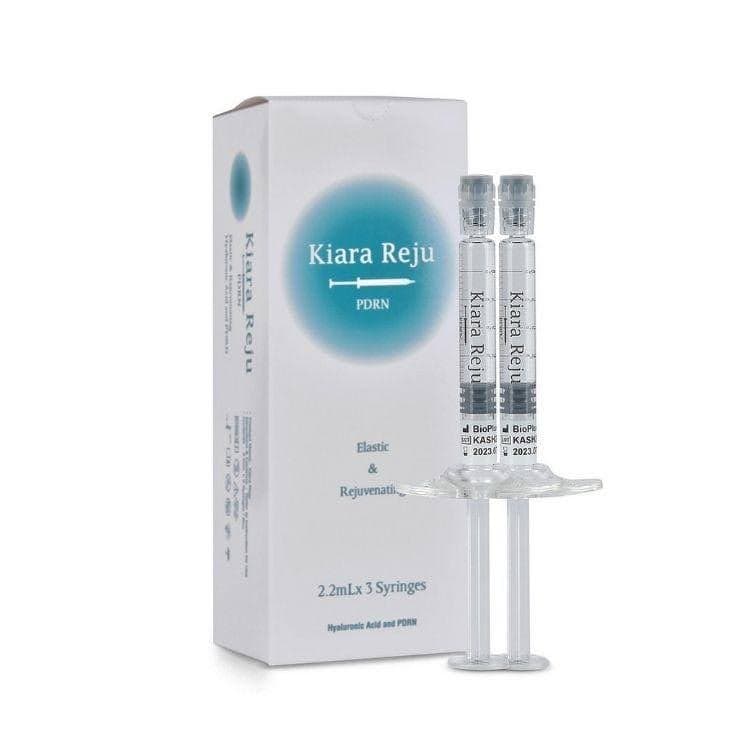
Both PDRN and PN refer to polynucleotide-based compounds, but they are not the same. PDRN is a specific fraction of polynucleotide associated with regenerative and anti-inflammatory effects. PN is a broader term that covers the full polynucleotide chain. Most Rejuran products use PN; Kiara Reju and some targeted formulas use PDRN specifically.
Read the full comparisonPDRN
- ✓ Specific polynucleotide fraction
- ✓ Anti-inflammatory action
- ✓ Targeted regeneration
- ✓ Used in Kiara Reju
PN
- ✓ Full polynucleotide chain
- ✓ Broader term
- ✓ Skin rejuvenation
- ✓ Used in Rejuran range
Product Range
Featured Products
Common Questions
Frequently Asked Questions
No. Fillers add volume. PDRN injections stimulate the skin's own repair processes — increasing collagen, improving hydration, and restoring skin quality. They do not add volume or change facial structure.
Most treatment plans involve three to four sessions spaced two to four weeks apart. Maintenance sessions are typically every three to six months.
Discomfort varies by product and area. Most practitioners apply topical numbing cream beforehand. Some products, including Rejuran HB Plus, contain lidocaine to reduce injection discomfort.
PDRN skin boosters are prescription medical devices administered by trained practitioners — doctors, nurses, or aesthetic clinicians in licensed clinics.