Treatment Guide
PDRN Treatment Guide
PDRN skin booster treatment follows a consistent process from initial assessment to recovery. This guide covers each stage so you know what to expect before booking.

Step 1
PDRN Consultation Guide
What to Expect Before Treatment
A PDRN consultation involves a skin assessment, medical history review, and discussion of your goals. The practitioner uses this to determine whether PDRN treatment is suitable, which product fits your concerns, and what a realistic treatment plan looks like.

What the Consultation Covers
Skin Assessment
The practitioner examines your skin — noting texture, elasticity, hydration, pigmentation, scarring, and areas of concern. They may photograph your skin under specific lighting to document baseline appearance.
Medical History
You will be asked about:
- Known allergies — particularly fish or salmon allergy
- Current medications — including anticoagulants, steroids, immunosuppressants
- Previous aesthetic treatments — fillers, botulinum toxin, lasers, chemical peels
- Skin conditions — active or historical (rosacea, eczema, psoriasis, acne, keloid scarring)
- Pregnancy or breastfeeding status
- Autoimmune conditions
- Blood clotting disorders
Treatment Goals and Expectations
Your practitioner will discuss what you want to improve and explain what PDRN treatment can and cannot achieve for your specific concern. This is the right time to ask about:
- Expected results timeline and realistic outcomes
- Number of sessions recommended
- Which products are most appropriate
- How PDRN fits alongside other treatments you may be considering
Product Selection
Based on the assessment and your goals, the practitioner selects the most appropriate product. For example: Rejuran I or HP Vitaran i for under-eye concerns; Kiara Reju PDRN for reactive or inflammatory skin; Rejuran HB Plus for dehydrated skin where comfort is a priority.
Consent and Aftercare Briefing
You will receive written information about the treatment including risks, side effects, and aftercare instructions. The practitioner will obtain informed consent before proceeding.
Questions to Ask at Your Consultation
Step 2
PDRN Treatment Procedure
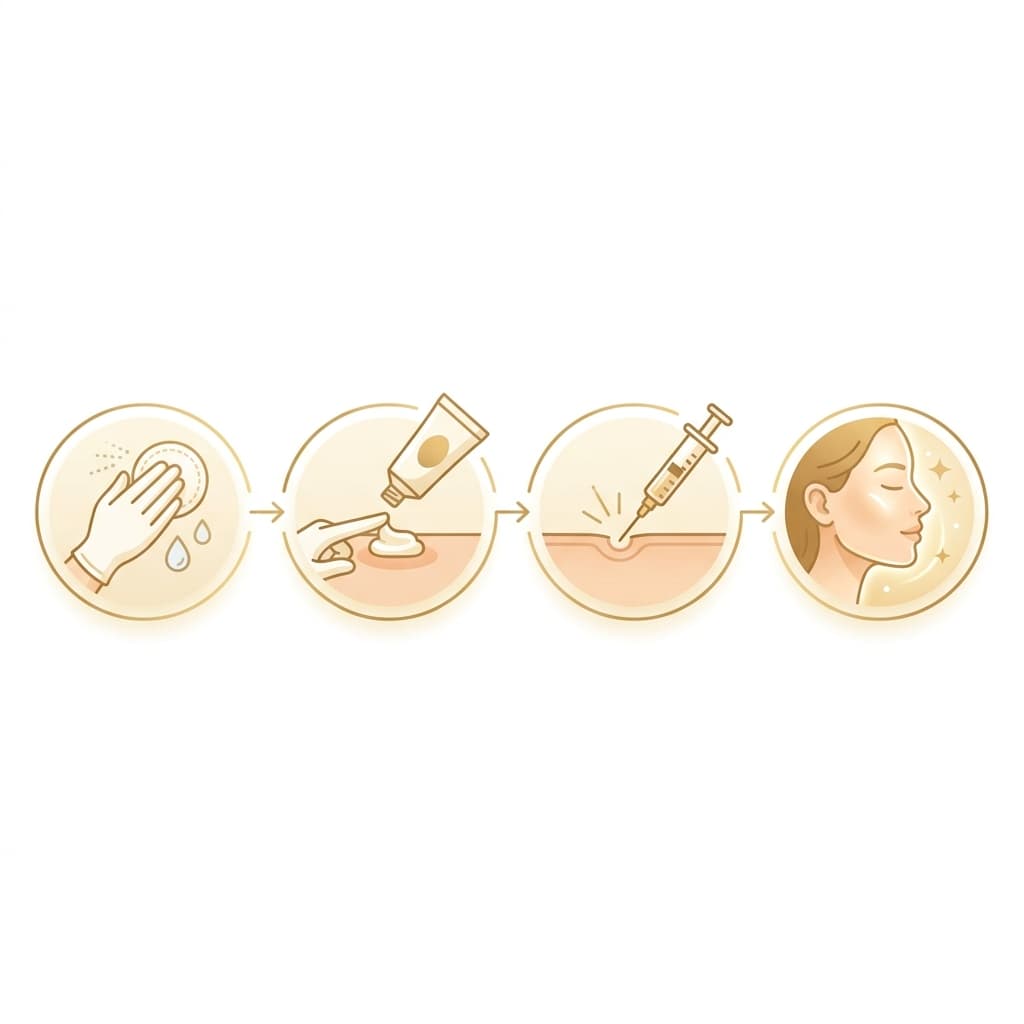
A PDRN skin booster session takes 30 to 45 minutes. After numbing cream is applied and takes effect (20–30 minutes), the practitioner injects small quantities of product into the dermis across the treatment area using a fine needle or cannula. Post-treatment, some redness and small papules are expected and normal.
Before the Procedure Begins
Your skin will be cleansed and any makeup removed. Photographs may be taken for clinical records. If you are having numbing cream for the first time, the practitioner will explain the application process and timings.
Numbing Cream Application
Topical anaesthetic cream (typically EMLA or similar lidocaine-based product) is applied to the treatment area and left for 20 to 30 minutes. This significantly reduces the discomfort of injection. Some products (Rejuran HB Plus) contain lidocaine within the formulation itself for additional comfort.
What You Will Feel
With effective numbing cream, most patients describe a mild pressure or pricking sensation rather than pain. Areas where the skin is thinner (under-eye, lips) may be more sensitive. Products containing lidocaine are generally more comfortable. Inform your practitioner immediately if you experience significant discomfort.
Immediately After Treatment
Small red papules (raised dots) at injection sites are normal and expected. The skin may appear red or slightly flushed. These effects typically resolve within two to six hours but can persist for up to 24 hours in some patients.
The Injection Procedure
Once the numbing cream is removed and the skin is cleaned again, the practitioner begins the injection:
Session Timing
Step 3
PDRN Injection Downtime & Recovery
PDRN skin booster treatment has minimal downtime. Most patients return to normal activities the same day. Mild redness, small papules, and possible bruising are expected for 24 to 48 hours. Avoiding heat, heavy exercise, and alcohol for 24 hours accelerates recovery.

0–6 Hours
Immediate
- Red papules at injection points — normal
- Generalised skin redness — normal
- Mild swelling, particularly under-eye
- Mild tenderness at injection sites
Day 1–2
Resolving
- Papules and redness typically resolving
- Under-eye swelling may persist 48 hours
- Mild bruising at some injection points possible
- Skin may feel slightly sensitive or tender
Day 3–7
Cleared
- Most patients show no visible signs of treatment
- Skin may appear slightly more hydrated
- Any bruising fading
What to Avoid After Treatment
Step 4
PDRN Injection Aftercare
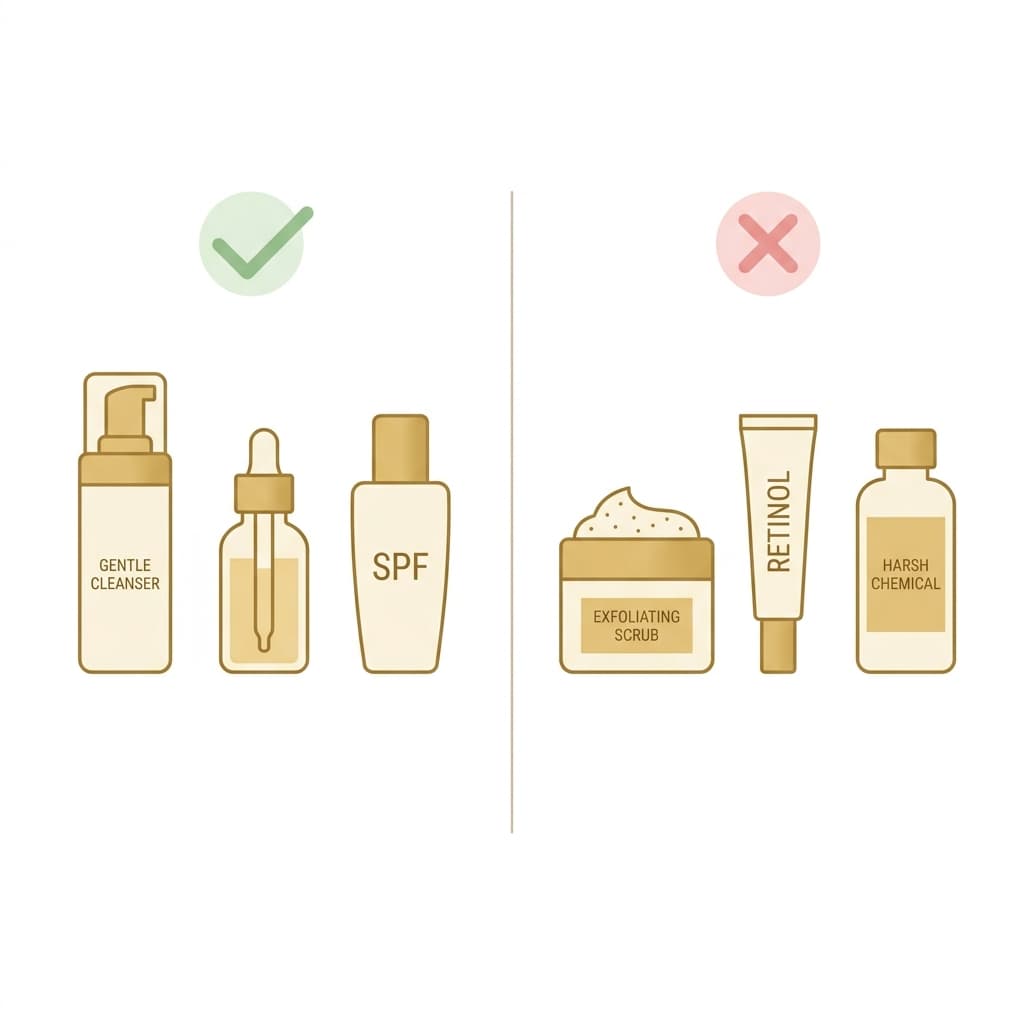
Keep the treated area clean and chemical-free for the first 24 hours. Use gentle, fragrance-free skincare and SPF 50 from the following day. Avoid active ingredients (retinol, AHAs, BHAs, vitamin C) for two to three days. Stay hydrated and avoid heat sources for 48 hours.
First 24 Hours
- Keep skin clean and dry — avoid washing the face with hot water
- No makeup over injection sites
- No active skincare ingredients — no retinol, AHA, BHA, vitamin C, niacinamide serums
- No harsh cleansers — use a gentle, fragrance-free cleanser only
- Avoid touching or rubbing the treated area
Days 2–7 — Gentle Resume
- Apply a gentle, non-comedogenic moisturiser morning and night
- SPF 50 every morning — UV exposure can worsen inflammation in treated skin
- You may resume light makeup after 24 hours if skin feels settled
- Avoid retinol and prescription skin actives for three to five days
- Hyaluronic acid serum (non-injected topical) is fine to resume after 48 hours
Skincare to Use After Treatment
Cetaphil, La Roche-Posay Toleriane
CeraVe, Avene, Bioderma Sensibio
Lightweight mineral or chemical SPF 50
Standard hyaluronic acid serums
Standard niacinamide products
Resume as normal - no sooner
Resume with caution - patch test if unsure
When to Contact Your Practitioner
- Redness or swelling that is worsening rather than improving after 48 hours
- Any signs of infection — increasing redness, warmth, pus
- Nodules or lumps that persist beyond two weeks
- Any allergic-type reaction — hives, widespread redness, facial swelling
Step 5
Who Is Suitable for PDRN Injection?
PDRN injections suit adults in good general health who want to improve skin quality through collagen stimulation. They are not suitable for anyone with a fish allergy, active skin infection, pregnancy, or certain medical conditions. A practitioner assessment confirms suitability before treatment.

Ideal Candidates for PDRN Treatment
- Adults aged 25 to 65 (skin repair benefits are relevant across this range)
- Patients with concerns about skin texture, elasticity, or quality rather than volume loss
- Patients with acne scarring wanting collagen-based scar improvement
- Patients with under-eye crepiness, fine lines, or mild hollowness
- Patients with reactive, sensitive, or inflamed skin — particularly suited to PDRN's anti-inflammatory action
- Patients who want a gradual, natural-looking skin quality improvement
- Patients who have already had fillers and want to address skin quality alongside structural concerns
Who Should Not Have PDRN Treatment
- Patients with fish or salmon allergy — absolute contraindication
- Pregnant or breastfeeding patients
- Patients with active skin infection, cold sore, or open wound in the treatment area
- Patients with blood clotting disorders
- Patients with active autoimmune conditions affecting the skin
Discuss with Your Practitioner First
- Current anticoagulant or antiplatelet medication — increased bruising risk
- History of keloid or hypertrophic scarring
- Recent laser, chemical peel, or other procedure in the treatment area
- Immunosuppressive therapy
- Active inflammatory skin condition in the treatment area (eczema, active acne)
Age Considerations
PDRN treatment is clinically relevant from the mid-twenties, when early collagen decline begins. There is no upper age limit; older patients typically see meaningful improvement as the treatment addresses declining collagen repair capacity.
For younger patients (under 25), the clinical benefit may be more modest as skin repair mechanisms are generally intact. Practitioners assess on an individual basis.
Step 6
Areas Treated with PDRN Skin Boosters
PDRN skin boosters are most commonly used on the face, but they are effective across multiple body areas where skin quality improvement through collagen stimulation is the goal.

Full Face Rejuvenation
Full-face PDRN treatment addresses texture, tone, elasticity, and hydration across the entire facial surface.
Under-Eye / Periorbital Area
The under-eye area benefits from specialist low-viscosity formulations. Addresses crepiness, dehydration lines, and mild hollowness.
Neck
Crepey neck skin and horizontal neck lines respond to PDRN treatment. The neck requires the same products as the face with adjusted injection patterns for the area.
Decolletage
Sun-damaged and crepey skin on the chest can be treated with PDRN. Treatment in this area typically uses standard PN/PDRN formulations with a wider distribution pattern.
Hands
PDRN is used to improve age-related skin thinning and crepiness on the back of the hands. This is an off-label application in many markets - confirm suitability and product selection with your practitioner.
Scalp
Some practitioners use PDRN in scalp treatments to support hair follicle health, particularly in combination with other hair loss treatments. This is an emerging application - discuss evidence and suitability with your practitioner.
Step 7
PDRN Combination Treatments
Microneedling, Lasers & Other Injectables
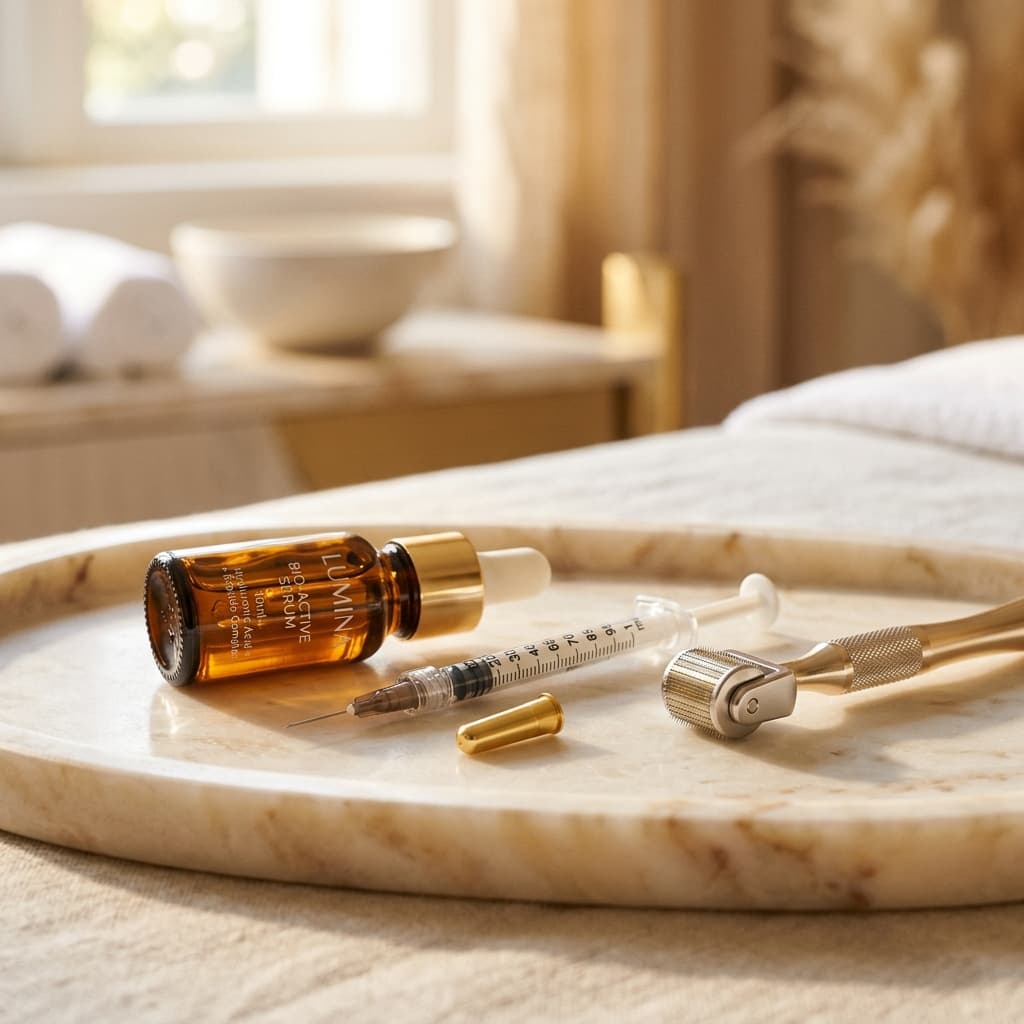
PDRN skin boosters are frequently combined with microneedling, laser treatments, and other injectables for enhanced outcomes. Timing between treatments matters — your practitioner will plan the sequence based on your skin and treatment goals.
PDRN + Microneedling
Microneedling creates micro-injuries that stimulate collagen and temporarily open channels in the skin. When PDRN is applied or injected during or immediately after microneedling, it penetrates the dermis more broadly - distributing across the treatment area rather than delivering point injections.
- Acne scarring - microneedling breaks scar tissue, PDRN accelerates collagen repair
- Large-area skin quality improvement - distributes PDRN efficiently across face or neck
- Patients who prefer fewer injection points
PDRN + Laser
Fractional laser and PDRN treatments are commonly combined, but sequencing is critical. PDRN and laser are generally not performed on the same day in the same area. Your practitioner will design the sequence based on the laser type, fluence, and your skin recovery timeline.
- Before laser - as a course to improve skin resilience and healing capacity
- After laser - to accelerate healing and collagen recovery post-treatment (typically four to six weeks after laser)
PDRN + Hyaluronic Acid Fillers
PDRN and HA fillers address different aspects of skin aging. Many patients benefit from both: PDRN improves skin quality and collagen, and fillers replace lost volume. They can be performed in the same session or in separate appointments - practitioners vary in their preference.
- Under-eye treatment frequently combines HA filler for mild volume correction with Rejuran I or HP Vitaran i for skin quality improvement in the periorbital zone
PDRN + Botulinum Toxin
Botulinum toxin (Botox-type treatments) relaxes muscles to reduce dynamic wrinkles. PDRN addresses skin quality. They target completely different mechanisms and can be combined safely, typically in the same session or close timing.
PDRN + Exosomes
Some practitioners use PDRN alongside exosome treatments for enhanced regenerative stimulation. This combination is at the more advanced end of regenerative aesthetics. Discuss the evidence and rationale with your practitioner.
Frequently Asked Questions
Will the treatment area look normal immediately?
No. Mild redness and small papules (bumps) at injection sites are expected. Most patients look presentable within a few hours; some residual redness or marks may persist for up to 24 hours.
Do I need a consultation before my first PDRN treatment?
Yes - always. A consultation is not a formality; it identifies contraindications that could make treatment unsafe and ensures the right product and protocol are selected for your skin.
How long does the consultation take?
A thorough consultation takes 20 to 30 minutes. Some clinics combine consultation and treatment in the same appointment; others require a separate consultation first. Ask when booking.
Can I have PDRN and Botox on the same day?
Generally yes. Botulinum toxin and PDRN target different mechanisms and are routinely combined. Confirm with your practitioner based on the areas being treated.
How long should I wait between laser and PDRN?
This depends on the laser type and intensity. Generally four to six weeks minimum after a fractional laser. Your laser provider and PDRN practitioner should coordinate on timing.
How long will bruising last?
Minor bruising typically resolves within three to five days. Arnica cream can help. If significant bruising persists beyond seven days, contact your practitioner.
Can men have PDRN treatment?
Yes. PDRN treatment is effective regardless of gender. Men benefit from the same skin quality improvements as women.
Ready to explore PDRN products?
Browse our full range of PDRN and PN skin boosters — from full-face rejuvenation to specialist eye-area formulations.
View All Products