PDRN vs. PN: What is the Difference and Which One Should You Choose?

If you regularly use skin-rejuvenating treatments, you may have heard of two of the most popular ingredients: PDRN (Polydeoxyribonucleotide) and PN (Polynucleotide). These two have always been linked together because they both work to rejuvenate skin at the cellular level. PDRN and PN were first used in Italy to help wounds heal, but they have since become popular in South Korean aesthetic medicine and are now trending around the world.
Both are DNA-based biostimulators, especially sourced from salmon DNA, which is known for its skin-repairing properties. However, the problem is that they are not the same thing.
Many clinics and brands use the terms interchangeably, leading to confusion among both professionals and patients. In reality, they differ in:
Molecular structure
Mechanism of action
Clinical applications
We offer you a comprehensive guide that breaks down their differences, supported by clinical insights, so you can choose the right treatment based on your skin goals.
What is PN (Polynucleotide)?
PN, or polynucleotide, is a long chain of nucleotides, which are the fundamental building blocks of DNA and RNA. It has longer, high-molecular-weight DNA chains that form a three-dimensional porous, hydrogel structure when injected into the skin.
Features of PN
PN-based products last longer
Ideal for medical skin regeneration and collagen restructuring.
Derived primarily from the gonads (testes) of salmon or trout, known for their regenerative effects.
Perfect for collagen restructuring and fibroblast stimulation, especially for aging skin.
How PN Works

The main way that PN works is by stimulating fibroblasts. PN starts a chain reaction of regenerative activity by interacting with skin fibroblasts, which are the cells that make collagen, elastin, and other structural proteins. Because it has a higher molecular weight and a porous, gel-like structure, it makes a great scaffold for tissue support, which encourages the following:
Rebuilding the structural framework of the skin by remodeling the extracellular matrix (ECM)
More collagen and elastin production—much more volume stimulation than PDRN.
Deep dermal hydration—the thick structure holds water well
Long-lasting presence in the skin—keeping activation going over time
Key Note To Remember

In South Korea, PN is typically classified as a medical device, reflecting its primary role as a structural, biomechanical support rather than a pharmacological drug.
What is PDRN (Polydeoxyribonucleotide)?
PDRN, or Polydeoxyribonucleotide, is made up of DNA fragments from the sperm cells of salmon or trout. PDRN behaves more fluidly than PN and works primarily through pharmacological pathways rather than structural scaffolding.
Features of PN
Primarily help stimulate cell growth in tissues, resulting in efficient skin tissue and corneal regeneration.
Speeds up the skin’s wound healing process. It also improves the overall skin condition, leading to a more natural and healthier appearance.
It has both active pharmacological and therapeutic roles in the body.
Successfully used in the treatment of degenerative joints and diabetic foot ulcers. This is what makes it different from PN.
How PDRN Works
PDRN works in two different ways in the body:

Activation of Adenosine Receptors: PDRN activates A2A adenosine receptors, which kickstart strong anti-inflammatory and tissue-repair responses. This is why PDRN is so good at helping wounds heal.
Nucleotide Salvage Pathway: PDRN gives cells the building blocks they need to fix and make new DNA, which helps both the salvage and de novo nucleotide synthesis pathways.
Key Note To Remember
PDRN is classified as a pharmaceutical drug due to its active biological effects and is also used in wound healing, diabetic ulcers, and joint degeneration
What is the Science Behind the Difference Between PDRN and PN?
According to a groundbreaking 2025 peer-reviewed study published in PMC (PubMed Central) titled "Comparison of Polynucleotide and Polydeoxyribonucleotide in Dermatology: Molecular Mechanisms and Clinical Perspectives," the fundamental differences between PN and PDRN come down to chain length, molecular weight, and resulting physical properties.
"PN, composed of longer DNA fragments, plays a key role in extracellular matrix remodeling. Conversely, PDRN, composed of relatively shorter oligonucleotide sequences than those of PN, enhances skin condition through adenosine receptor activations and supports nucleotide synthesis via both the salvage and de novo pathways."
— PMC, 2025
The study also says that "PDRN has less viscoelasticity than PN because it has a lower molecular weight. PN, on the other hand, forms a more porous, highly viscous, three-dimensional structure. In simpler terms, PN is like a thick, supportive gel that stays in place and slowly releases signals that help the body heal. PDRN is more like a targeted medicine that is smaller, more mobile, and meant to quickly activate specific biological healing pathways.
PDRN vs. PN: A Side-by-Side Comparison
In practice, people often use PDRN and PN interchangeably as skin regenerative injectables, which are often called skin boosters. However, some differences set them apart. But both clinics and patients need to know this difference so that each person can get a more personalized and effective anti-aging treatment.
Here is a side-by-side comparison of the two biocomponents, showing their pros and cons so you can see how they work in very different ways.

Where Can You See Clinical Applications of PDRN and PN?
Globally, PDRN and PN injections are used in clinical settings for skin regeneration, anti-aging, acne scars, hair restoration, under-eye regeneration, and recovery following surgery. PDRN and PN products are widely used in both aesthetic and therapeutic settings because they promote cell repair, collagen production, and skin tissue healing. A thorough explanation of each biostimulator's practical clinical uses can be found below.

PN Clinical Focus
A 2025 PMC review confirmed that polynucleotides effectively improve skin texture, reduce wrinkle depth, and enhance facial appearance through ECM production support. PN is particularly recommended for:
Facial anti-aging treatments (full face, cheeks, jawline)
Under-eye rejuvenation (hollows, dark circles from laxity)
Neck and décolletage (crepey texture)
Hand rejuvenation
PDRN Clinical Focus

Research documents the pharmacological activity and clinical use of PDRN on its efficacy in wound healing, anti-inflammatory conditions, and hair regrowth. It concludes that PDRN has highly satisfactory effects in all of these applications. Additionally, it says PDRN is particularly recommended for the following:
Post-procedure recovery (after laser, microneedling)
Acne scar treatment and active inflammation
Sensitive or reactive skin (Rosacea)
Pigmentation and hair loss (alopecia)
Which Should You Choose: PDRN or PN?
Selecting the appropriate biostimulator for you is essential because PDRN and PN differ noticeably in both structure and function. For a thorough assessment of your condition and aesthetic objectives, a medical professional's advice is crucial. You and your medical team will be able to determine what is best for you based on these parameters. The general guidelines for selecting between PDRN (polydeoxyribonucleotide) and PN (polynucleotide) are listed below.

Treatment Protocol: The Combination Approach & Timeline of Treatment
A lot of top aesthetic clinics now offer both PN and PDRN protocols. This method makes sense from a scientific point of view:
Phase 1: PDRN comes first.
Its goals are to heal quickly, calm the skin, and fix the barrier.
Phase 2: PN comes next.
It helps build deep structural collagen and fight aging over time.
Initial Session – Focuses on Improved hydration, radiance, and a "glow from within."

Sessions 2-3 (Every 2-4 weeks)
Visible texture improvement, smoother pores, better skin tone.

4-6 Weeks Later
Deeper collagen changes, improved elasticity, and firmness.

Maintenance Sessions
Every 3-6 months to maintain skin density and quality.

EXPERT TIP
"For clinics, integrating both PN and PDRN protocols can yield the best outcomes: patients receive immediate recovery support from PDRN, followed by deep structural regeneration from PN." — Dermax Medical
PDRN and PN Product Brands: Topical vs. Injectables
Topical Skincare (PDRN-Based)
You can also find PDRN in many creams and serums that you can use at home. But keep in mind that PN injectables are much better at causing structural change, so they may not come in topical forms.

BEST OVERALL:
Medicube PDRN Pink Peptide Serum
It is a lightweight barrier-supporting formulation widely available in the USA. It is also great for daily maintenance for gradual skin regeneration.
THE BEST PREMIUM PICK:

Rejuran Turnover Ampoule
The same labs that make the Healer PN injectable also make Rejuran topical serums. At high concentrations, this original and premium South Korean brand helps heal wounds and regenerate skin deeply. Rejuran Turnover Ampoule has C-PDRN, which targets damaged, sensitive, and inflamed skin. This is different from the PN-based injectable.

THE VIRAL HIT:
VT Cosmetics Reedle Shot
It is the 2026 trending PDRN serum, designed for at-home liquid microneedling effects with PDRN. It’s a viral hit on social media, gaining followers for this skin-regenerating PDRN serum. For just one shot of the VT Cosmetics Reedle Shot, anti-aging effects are apparent, such as smoother, clearer, more elastic, and firmer skin.
Injectable Brands (Clinic Available Only)

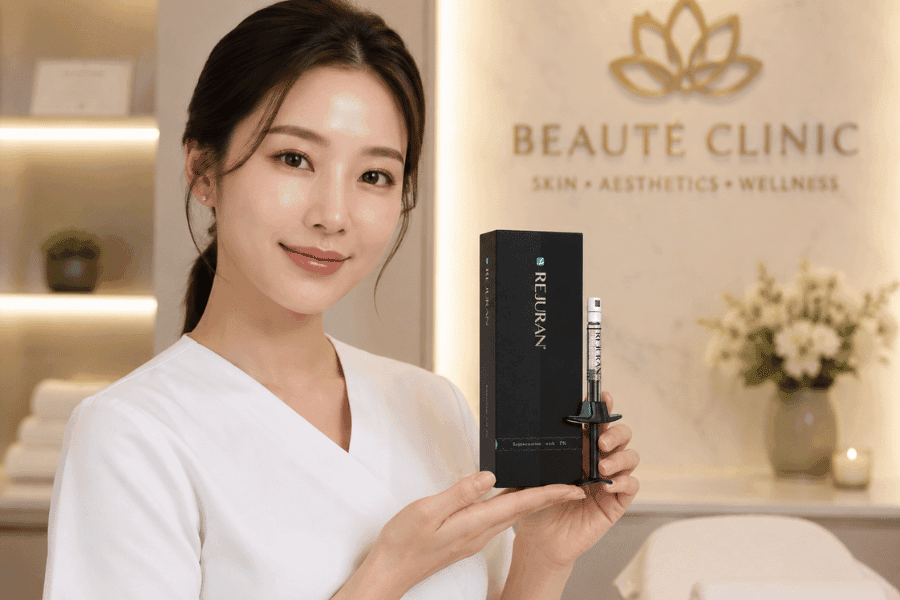
Rejuran (Korea) - The gold standard. Made from wild Keta salmon DNA. The oldest PN from South Korea, which started the PDRN and PN trend worldwide, Rejuran Healer, Rejuran I, and Rejuran HB are used in Korean clinics.

Cellix PN - 98% pure salmon polynucleotides. Clinically proven collagen booster. It's economical compared to Rejuran Healer yet delivers the same results. Cellix PN contains NDA+, HA, and glutathione, so it gives you more benefits. Cellix PN is a painless PN injection.

YouthFill PN - Similar to Cellix PN, Youthfill also uses its own manufactured salmon DNA. It's also a high-quality PN injection in the market.
Are There Side Effects Caused By PDRN and PN? How Safe Are They?
Both PN and PDRN are considered highly safe, with minimal to no complications shown. They are biocompatible, offering safe administration without the risk of adverse reactions. Clinical data expands on how only about 15-20% of patients experience mild side effects lasting only 2-7 days.
These are the common side effects of the biostimulators, if there are any:
Temporary redness at injection sites
Mild swelling (24-72 hours)
Light bruising or needle marks
Small temporary skin bumps (papules)
Moreover, since both PDRN and PN are sourced directly from salmon or trout, individuals allergic to fish may be affected. But fish allergies are caused by immune responses to proteins. not DNA. Since PDRN/PN are purified DNA fragments, they are generally safe. However, always consult an allergist if you are concerned, and be cautious before treatment with these particular skin-rejuvenating treatments.
Quick Summary
So, what should you choose? Both are powerful and highly efficient biostimulators. They are scientifically validated with numerous clinical studies and research regarding their efficacy and safety. Yes, they are the same but also different. They are linked due to their primary source of salmon or trout sperm DNA, but they have differing molecular weights and lengths of polynucleotide chains. They also have different clinical applications.
What To Choose: PDRN vs. PN vs. Booth
Choose PN for long-term, structural anti-aging and also have firmer skin, deeper collagen restructure within the skin, and a long-lasting rejuvenation.
Choose BOTH for a more complete skin transformation when your aesthetic goals include both structural aging and skin quality concerns.
Choose PDRN if you want a more targeted repair of the skin. Wound healing, improvement of skin sensitivity, inflammation, hyperpigmentation, or acne scars, and post-procedure recovery are the primary clinical applications of PDRN, both topical and injectable products.